
Understanding Local Regulations in Greater London: A Guide for Property Owners


Owning property in Greater London comes with a unique set of challenges and responsibilities. Navigating the local regulations is crucial to ensure compliance and avoid potential legal issues. This guide will help property owners understand the key regulations affecting their properties in this dynamic city.
Planning Permissions and Building Regulations
One of the primary concerns for property owners in Greater London is obtaining the necessary planning permissions and adhering to building regulations. Whether you're considering an extension, conversion, or any significant alterations, you must ensure that your plans align with local council requirements. Failing to do so can lead to hefty fines or mandated removal of unauthorized structures.
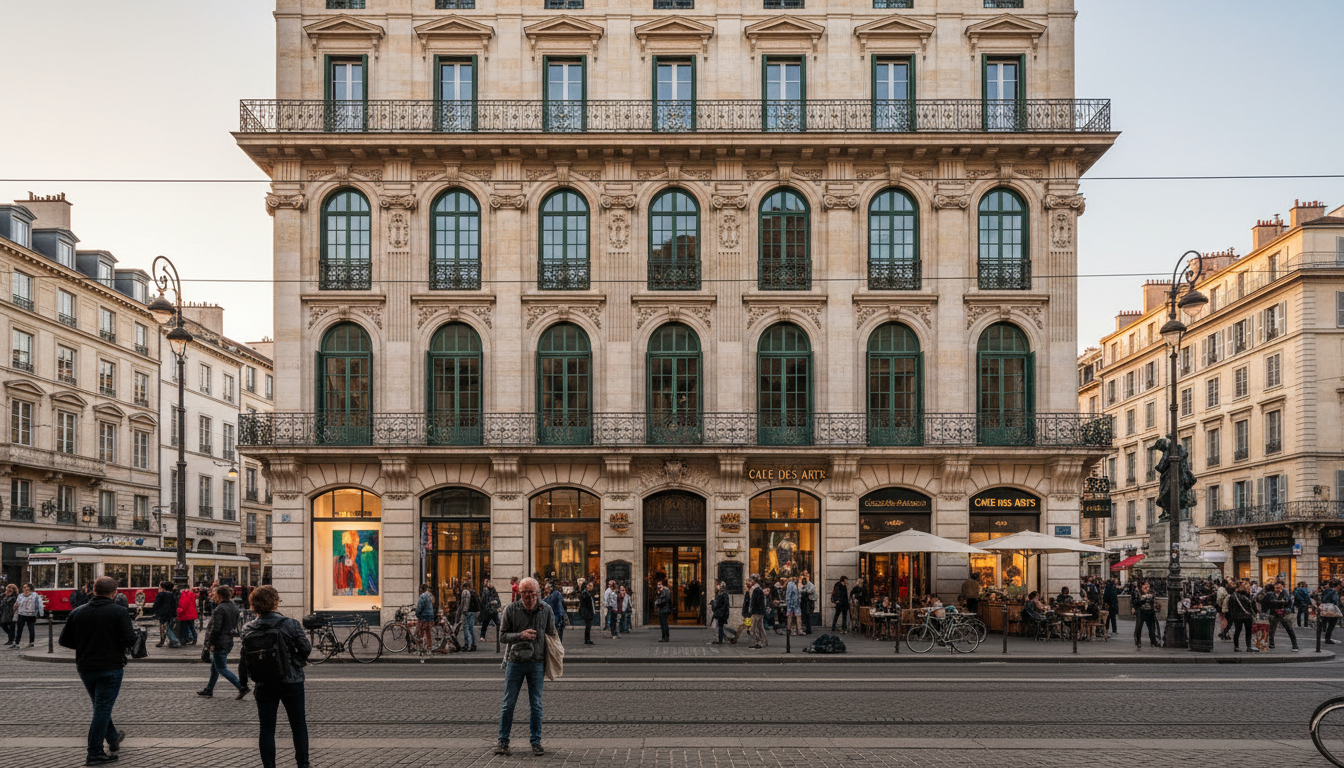
Understanding Planning Permissions
Planning permissions are essential for any development that impacts the external appearance or use of a building. It's important to check with your local planning authority to determine if your project requires permission. Some minor changes may fall under "permitted development rights," which allow you to proceed without formal approval.
Complying with Building Regulations
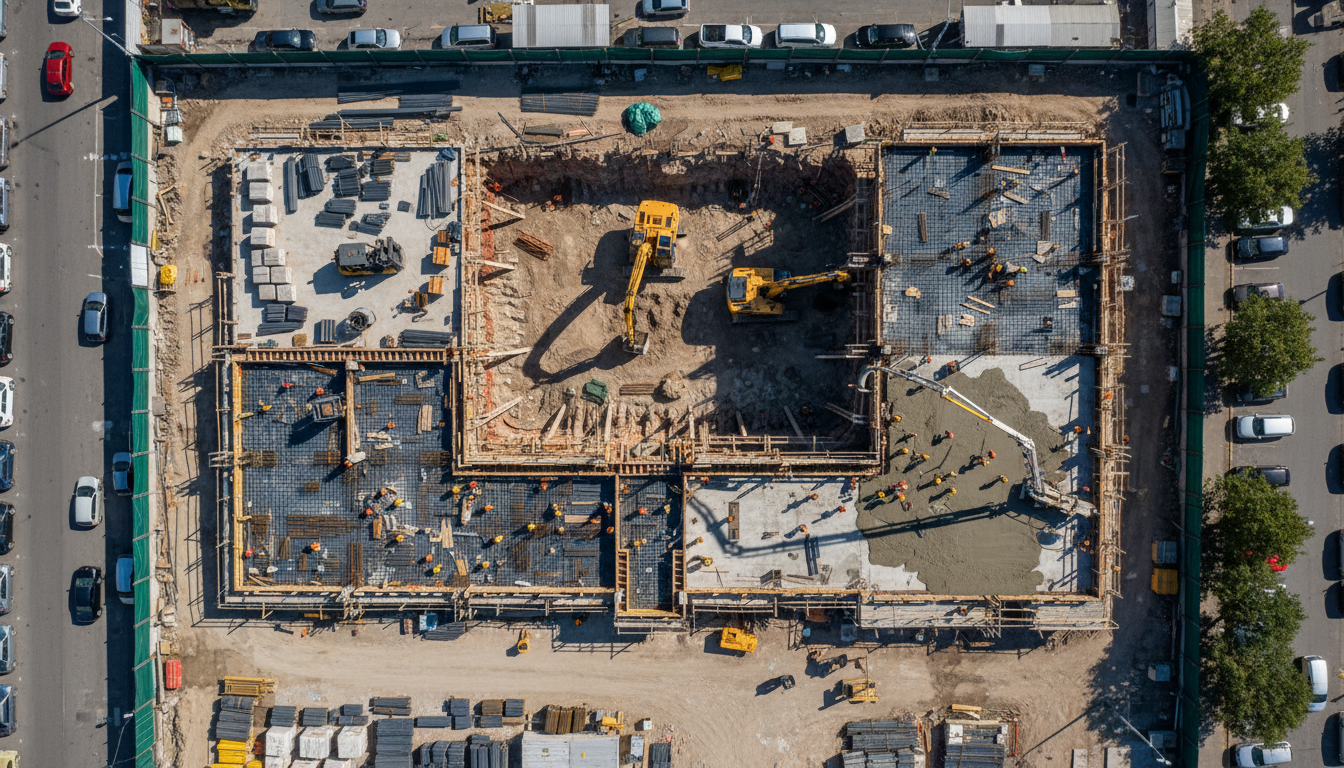
Building regulations set standards for the design and construction of buildings, ensuring safety and energy efficiency. These regulations cover various aspects, including structural integrity, fire safety, and accessibility. Always consult with a qualified professional to ensure your project complies with these standards.
Leasehold and Freehold Considerations
In Greater London, understanding whether your property is leasehold or freehold is crucial. This distinction affects your rights and responsibilities as a property owner.
Leasehold Properties
Leasehold properties mean you own the property but not the land it sits on. This setup often comes with specific terms and conditions outlined in the lease agreement. It's vital to understand the length of your lease and any associated fees or restrictions.
Freehold Properties
Freehold ownership provides greater control, as you own both the building and the land. However, you are solely responsible for maintaining the property and must still adhere to local regulations.

Environmental and Heritage Considerations
Greater London is rich in history and natural beauty, which means property owners may need to consider environmental and heritage regulations. Preserving the city's character is a priority, and certain areas may have additional protections.
Conservation Areas and Listed Buildings
If your property is in a conservation area or is a listed building, you’ll face stricter regulations. Any changes must preserve the historical and architectural significance of the property. It's advisable to consult with local authorities before initiating any modifications.
Environmental Regulations
Environmental considerations include energy performance standards and waste management practices. Ensuring your property meets these standards can enhance its value and contribute to sustainable living in London.

Understanding and adhering to local regulations in Greater London is vital for property owners. While the process may seem daunting, proper planning and consultation with experts can help you navigate these requirements successfully. By staying informed, you can ensure your property remains compliant, safe, and valuable.